Mom Unaware She Was Pregnant Delivers Baby — and Gives Him the
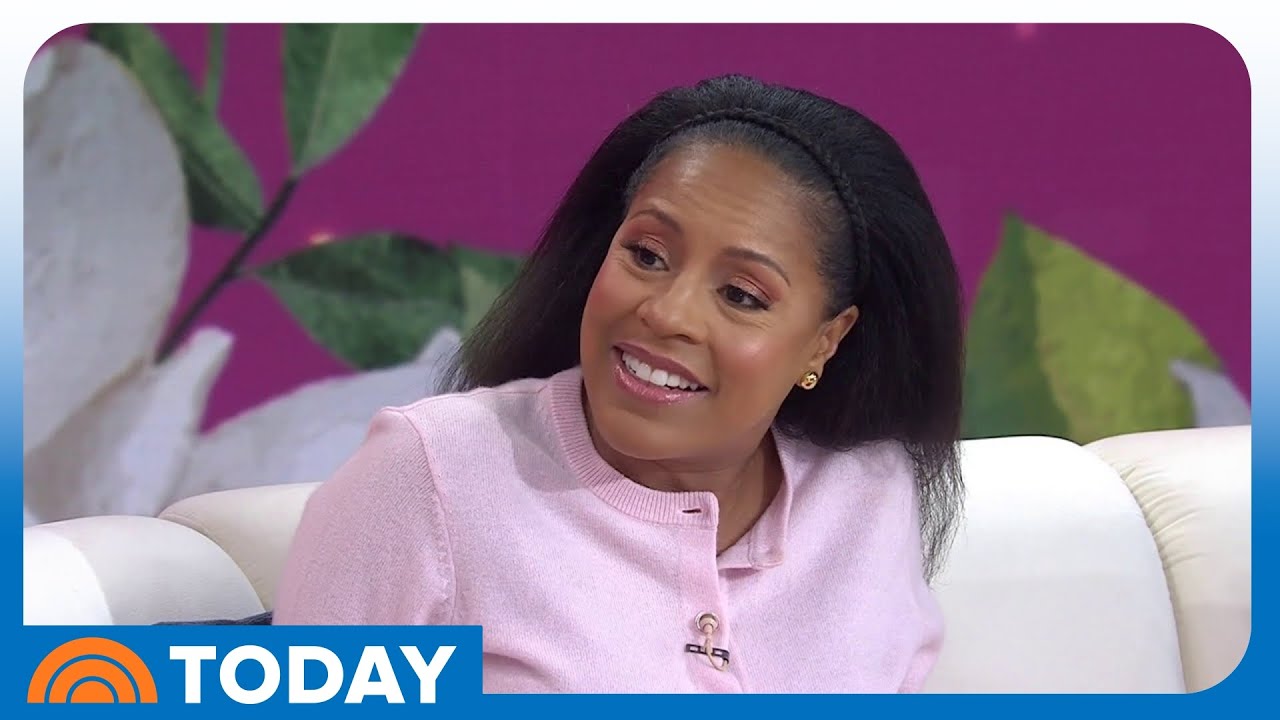
Keionna Dickerson, a 31-year-old Tennessee mom, **did not know she was pregnant** until 35 weeks, when she was rushed to the emergency room with severe stomach
Summary
Keionna Dickerson, a 31-year-old Tennessee mom, **did not know she was pregnant** until 35 weeks, when she was rushed to the emergency room with severe stomach and back pain. Her surprise baby, **Champion**, was born via emergency C-section. Dickerson's experience is an example of a **cryptic pregnancy**, a phenomenon where a person does not realize they are pregnant until late in gestation. According to [[cryptic-pregnancy|cryptic pregnancy]] experts, this occurs in roughly **1 in 475 pregnancies** after 20 weeks. Dickerson's story highlights the importance of **prenatal care** and the potential risks associated with cryptic pregnancies. The baby's name, **Champion**, was chosen by Dickerson's sister and cousin, and it holds special meaning for the family. As Dr. Christine Greves, an OB-GYN, notes, cryptic pregnancies can have **less than optimal outcomes** for both mom and baby. Dickerson's experience is a reminder of the importance of **women's health** and **prenatal care**. The story also raises awareness about the potential risks associated with cryptic pregnancies, including **premature birth** and **low birth weight**. As Dickerson navigates motherhood with her new baby, her story serves as a reminder of the importance of **support systems** and **community resources** for new mothers. For more information on [[prenatal-care|prenatal care]] and [[women-s-health|women's health]], visit our related topics page.
Key Takeaways
- Keionna Dickerson did not know she was pregnant until 35 weeks
- Cryptic pregnancies occur in roughly 1 in 475 pregnancies after 20 weeks
- Dickerson's baby was born via emergency C-section
- The name Champion was chosen by Dickerson's sister and cousin
- Cryptic pregnancies can have serious health consequences for both mom and baby
Balanced Perspective
Cryptic pregnancies, like Keionna Dickerson's, are a **rare but significant phenomenon**. While they can be shocking and challenging for the women who experience them, they also highlight the importance of **prenatal care** and **women's health**. According to the [[centers-for-disease-control-and-prevention|Centers for Disease Control and Prevention]], cryptic pregnancies can have **serious health consequences** for both mom and baby. As we consider Dickerson's story, we must also acknowledge the **complexities of women's health** and the need for **comprehensive care**. By examining the facts and data surrounding cryptic pregnancies, we can better understand the risks and challenges associated with this phenomenon.
Optimistic View
Keionna Dickerson's story is a testament to the **resilience of women** and the importance of **support systems**. Despite the shock and challenges of a surprise pregnancy, Dickerson is embracing motherhood and finding joy in her new role. The name **Champion** is a fitting tribute to her baby's strength and her own determination. As we celebrate Dickerson's story, we are reminded of the importance of **community resources** and **women's health initiatives**. For example, organizations like [[planned-parenthood|Planned Parenthood]] and [[american-college-of-obstetricians-and-gynecologists|American College of Obstetricians and Gynecologists]] provide vital resources and support for women's health. By sharing Dickerson's story, we can raise awareness about the importance of **prenatal care** and **women's health**.
Critical View
Keionna Dickerson's story is a **concerning reminder** of the potential risks associated with cryptic pregnancies. The lack of **prenatal care** and the surprise nature of the pregnancy can have **serious health consequences** for both mom and baby. As Dr. Christine Greves notes, cryptic pregnancies can have **less than optimal outcomes** for both mom and baby. Furthermore, the **social and economic challenges** faced by women who experience cryptic pregnancies can be significant. For example, women who experience cryptic pregnancies may face **increased healthcare costs** and **reduced access to resources**. By acknowledging these challenges, we can work to **improve women's health outcomes** and **reduce health disparities**.
Source
Originally reported by TODAY.com