New Dietary Guidelines Prioritize 'Real Food' – But Accessibility
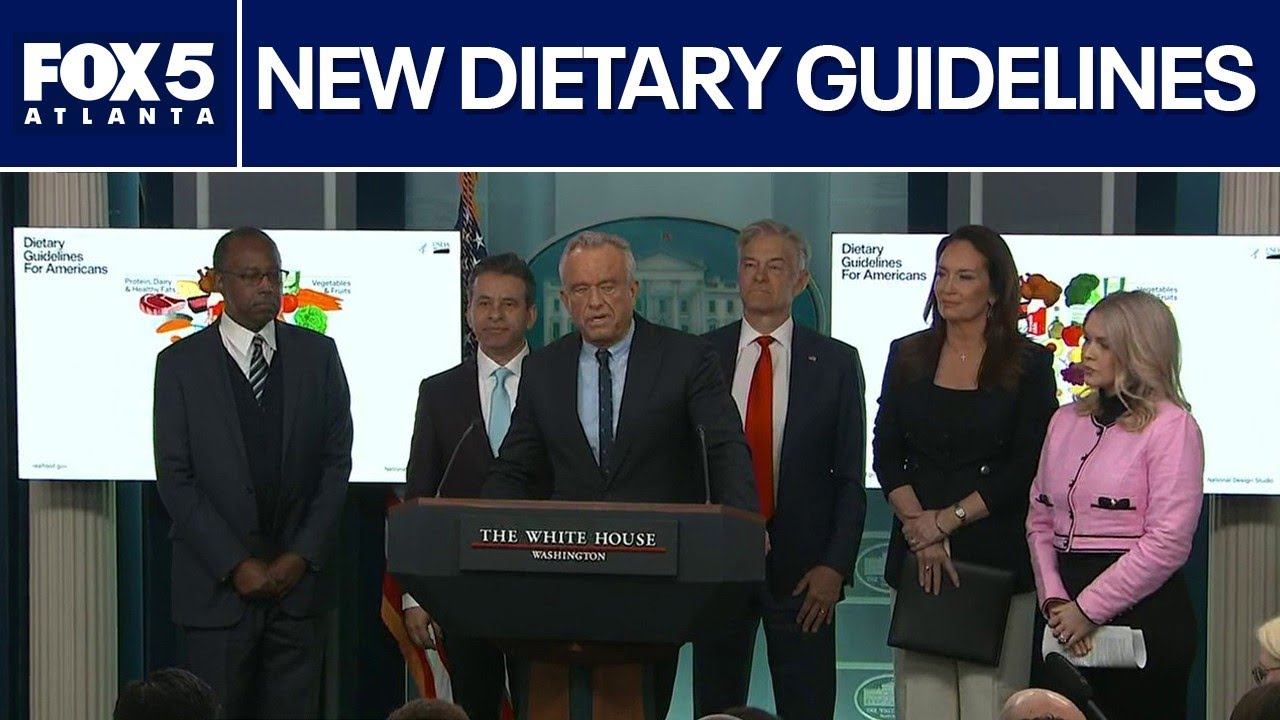
The latest dietary guidelines emphasize the importance of **whole, unprocessed foods** for pregnant women, but **rural communities** and **low-income households
Summary
The latest dietary guidelines emphasize the importance of **whole, unprocessed foods** for pregnant women, but **rural communities** and **low-income households** often lack access to these essential nutrients. According to recent research, most pregnant women in the U.S. aren't meeting dietary recommendations, with **geography and income** playing a significant role in determining access to healthy food. This issue is further complicated by **food deserts** and **limited transportation options**, making it difficult for low-income pregnant women to obtain the nutrients they need. The [[nutrition|nutrition]] and [[public-health|public health]] communities are working to address these disparities, but more needs to be done to ensure that all pregnant women have access to healthy, nutritious food. As the [[american-heart-association|American Heart Association]] and other organizations emphasize, a healthy diet is crucial for **fetal development** and **maternal health**.
Key Takeaways
- The updated dietary guidelines emphasize the importance of whole, unprocessed foods for pregnant women.
- Most pregnant women in the U.S. aren't meeting dietary recommendations, with geography and income playing a significant role in determining access to healthy food.
- Community-based initiatives and policy changes are needed to address food insecurity and health disparities.
- Investing in nutrition programs and healthcare services can have long-term benefits for human capital and economic growth.
- A comprehensive approach to sustainable development requires addressing the social, economic, and environmental determinants of health, including food security and access to healthcare.
Balanced Perspective
The new dietary guidelines are based on the latest scientific research and provide a comprehensive framework for healthy eating during pregnancy. However, the implementation of these guidelines is complex and influenced by various factors, including **geography**, **income**, and **access to healthcare**. While some communities may have access to **healthy food options** and **nutrition resources**, others may face significant barriers, highlighting the need for **targeted interventions** and **policy changes**. As the [[centers-for-disease-control-and-prevention|Centers for Disease Control and Prevention]] emphasize, a comprehensive approach to **maternal and child health** requires addressing the social and environmental determinants of health, including **food security** and **access to healthcare**.
Optimistic View
The updated dietary guidelines represent a significant step forward in promoting healthy eating habits among pregnant women. By emphasizing the importance of **whole, unprocessed foods**, we can help reduce the risk of **diet-related complications** and improve **fetal development**. Additionally, initiatives such as **community-supported agriculture** and **nutrition education programs** can help increase access to healthy food and provide low-income pregnant women with the resources they need to make informed choices about their diet. As the [[world-health-organization|World Health Organization]] notes, a healthy diet is essential for **maternal and child health**, and by working together, we can create a healthier, more equitable food system for all.
Critical View
The updated dietary guidelines, while well-intentioned, may exacerbate existing health disparities among low-income pregnant women. The emphasis on **whole, unprocessed foods** may be unrealistic for those living in **food deserts** or with limited **financial resources**. Furthermore, the lack of **access to healthcare** and **nutrition counseling** in these communities may hinder the implementation of these guidelines, perpetuating the cycle of **poor health outcomes**. As the [[american-public-health-association|American Public Health Association]] notes, addressing these disparities requires a **multifaceted approach**, including **policy changes**, **community-based initiatives**, and **increased funding** for **nutrition programs** and **healthcare services**.
Source
Originally reported by The Conversation